Sunday, July 12, 2015

Art From Adversity: NEON GENESIS EVANGELION

NEON GENESIS EVANGELION
1995/96 - 26 episodes 
Director: Hideaki Anno
Country: Japan
IMDB: 8.6

CinemaChagrin's Rating: A

(some spoilers)

Wow. Just wow. 

What the hell did I just watch?

That pretty much summed up my thought process upon completing the (in)famous Japanese anime series Neon Genesis Evangelion. Never had I been so enthralled yet simultaneously confused by a TV production. I immediately re-watched all 26 episodes, and I can safely say that it now stands as one of my favorite examples of cinematic art. NGE has received widespread attention and analysis since its initial airing in 1995 (entire theses and books have been written on it), so I won't go into too much detail here. Instead, I'll try to explain why I enjoyed the series so much.

Yeah, another awesome mecha action show! Erm, not quite.
The Plot

The plot of Neon Genesis Evangelion is incredibly complex (and quite convoluted), but essentially boils down to this: in the year 2000, a massive explosion at the South Pole melts the Antarctic Ice Cap. The subsequent rise in sea levels floods much of the world, wipes out nearly half of humanity's population, and permanently alters the Earth's rotation to the point where the whole planet remains stuck in a perpetual summer.

Nearly fifteen years later, humanity is still recovering from this "Second Impact" (the first being the meteor strike that created the moon billions of years ago). Suddenly and seemingly out of nowhere, giant Lovecraftian monsters appear and attack. These creatures, called "Angels", prove immune to conventional and nuclear weaponry. To combat the Angels, the United Nations turns to the secretive organization NERV, which manufactures giant robots called "Evangelions". Said machines can only be piloted by a select group of 14-year olds born immediately after the Second Impact. And yes, if you find yourself thinking that sounds familiar, 2013's Pacific Rim borrowed heavily from NGE's basic premise. However, any similarities end at giant robots fighting giant monsters.

This is a very broad overview. On the surface, NGE sounds like a lot of other apocalyptic animes. However, as the show progresses, it becomes quite apparent that it is anything but.

Earth is under assault from mysterious and powerful beings named "Angels"
Background

NGE first aired in 1995 at a pivotal time in the history of Japanese animation. The country was in the midst of the "Lost Decade", several years after its booming economy unraveled and sank into deflation. The animation industry had also fallen into a slump after the robust 1980s. 

The show was the brainchild of director Hideaki Anno and Studio Gainax, an upstart animation studio founded in the early 1980s by and for fans of the animation medium. They had a string of modest successes through the late 80s and early 90s, but struggled financially. As a result, NGE's production faced constant budget shortfalls and cuts (more on that later).

Anno himself was also going through a rough time during the show's production, suffering from clinical depression. He also expressed great discontent with the direction the anime industry and its fans were moving. Anno felt the industry was increasingly catering to its hardcore fanbase, which he viewed as obsessed with mindless action, sexualized female characters, and extensive merchandising. His frustration visibly manifested itself in the construction and themes of the show (again, more on that later).

NGE's creator and director, Hideaki Anno
NGE was initially aired in a timeslot reserved for children's shows, yet was a surprise breakout hit, quickly becoming one of the most popular and critically-acclaimed animes of the 1990s. The series also turned out to be a huge cash cow for Studio Gainax, and continues to make money today through re-makes, spin-offs, and merchandising. The cultural popularity of NGE in Japan has often been compared to that of Star Wars in the United States. 

Finally, along with Cowboy Bebop and Ghost in the Shell, the show is credited with initiating a "second wave" of Western interest in Japanese animation in the late 1990s/early 2000s. 

Reversal of Established Tropes

NGE is considered the seminal deconstruction of the popular "mecha" genre of anime, which typically features teenage protagonists, rip-roaring robot action, highly-sexualized female characters, and apocalyptic themes. Many of these characteristics are prominent in the first half of the show, ostensibly to draw traditional anime viewers in. The early episodes contain plentiful action, humor, and sensuality. However, in a cynical commentary on the genre, these themes are all turned on their head in the latter half of the series. I'll highlight a few examples.

A stock-looking anime cover proves deceptive
1) The protagonist, Shinji Ikari, is not a fearless and handsome action hero. Instead, he is an awkward and depressed teenager whose emotional instability stems  from a tumultuous childhood. Shinji's mother died when he was a toddler, while his father remains neglectful, cold, and manipulative. Unlike most protagonists in traditional mecha shows, Shinji reacts in a genuinely understandable way when asked to place his life on the line by piloting a giant robot - with extreme fear and reluctance. 

2) The female leads - Rei Ayanami, Asuka Langley Soryu, and Misato Katsuragi - are initially set up to be little more than walking stereotypes/potential love interests. In the second half of the series, these expectations are brutally demolished as we discover more about the characters' pasts and ongoing struggles, which include, but are not limited to, alcoholism, suicide attempts, and schizophrenia. Pretty uplifting, eh?

3) The show initially follows a "monster of the week" formula, with a different Angel attacking each episode. This quickly dissolves later in the series as more is revealed about the Angels, the Evangelions, and NERV.

Bottom line - NGE was one of the first (and is still one of the best) examples of a show taking an established genre and turning it completely on its head. Little hints are dropped here and there in the show's earlier episodes of what's to come later, but for a first-time viewer, the drastic shift in tone is rather shocking. It reminds me in a lot of ways of Joseph Heller's famous novel, Catch-22. The first two-thirds of the book are insanely hilarious before later devolving into highly-horrific and depressing subject matter. In both cases, the contrast between the two styles magnifies and intensifies the shift in tone.

Ironically, the surprise popularity of the series led to the very things about the industry Anno despised - extensive merchandising and an unhealthily-ravenous fanbase. The show was meant as a deconstruction of a genre and critique of the anime medium, but a majority of the initial viewership completely missed this point, instead obsessing over the action scenes and lusting after the female leads. 

Religious Imagery and "Symbolism"

Aside from the aforementioned deconstruction of many anime tropes, NGE is also flush with religious imagery and symbols incorporated from Christian, Judaic, and Shinto beliefs (among others). Even the title of the show alludes to the religious overtones prevalent in the series: Neon Genesis Evangelion roughly translates into "Gospel of a New Century".


One of the many religious symbols in NGE
Much of the religious imagery in NGE is overt. For example, when defeated, many of the Angels explode into enormous crosses (see above). The image of the cross is also prevalent in a number of other fashions throughout the show, some subtle, some less so. The Angels themselves are named after angels present in ancient Judaic texts, while the world of NGE experienced apocalyptic flooding that destroyed much of humanity, similar to the legend of the Flood present in many major religion traditions. Numerous other religious icons and figures appear, including the Lance of Longinus (the spear which pierced the side of Jesus as he lie crucified), the Three Magi (Caspar, Melchior, and Balthazar), and the Dead Sea Scrolls. There is even a Christ-like figure who sacrifices himself for the sake of humanity.

My personal favorite? The first Angel is named Adam. The Evangelions (Angel-fighting robots) are referred to as "Evas." Adam and Eve. I won't spoil the reasoning behind these names as doing so would ruin much of the intrigue of the series for a first-time watcher. Needless to say, all the allusions were really neat, and I actually learned a lot about early Christian and Judaic history through subsequent research after completing the show.


 Handel's Messiah is played during one climactic battle with an Angel

So what does all this religious imagery mean? Does it serve a purpose? Well, yes and no. On the one hand, some of the folks at Studio Gainax have stated that the religious references were initially thrown in because they made the show appear more "exotic." Given that Christianity and Judaism have a modest presence in modern Japan, the rationale was that such an addition might pique the curiosity of initial viewers and convince them to stick with the series.

On the other hand, the religious overtones in the show tie in expertly with many of the philosophical questions that are posed in later episodes, including musings on the genesis of humankind and our purpose for existence. Anno himself has stated that the intermixing of symbols and figures from different religious traditions intensifies the atmosphere of mysticism and provides a potent canvass against which the other themes of the show are splayed.

Character Psychoanalysis

One of the other major aspects of the show involves the intensive examination of the main characters' psyches and emotional states. NGE borrows heavily from Jungian and Freudian psychology, including the concepts of individuation and pyschoanalysis. The troubled pasts of many characters are explored extensively, while conflicts between the conscious and subconscious mind are frequently featured.

Our protagonist, Shinji Ikari
Strong Freudian themes of maternity appear throughout the series as well. Several main characters struggle with difficult pasts involving their mothers (one character's mother suffered from a complete mental breakdown before hanging herself) that continue to impact their present emotional state. The Evangelions themselves also feature several maternal characteristics. For example, while operating their Eva, each pilot is submerged in a life-sustaining liquid called LCL (much like amniotic fluid in a womb). The Evas themselves draw their energy from massive power cords called "umbilical cables." 

Defensive and coping mechanisms are also explored as characters who wish to grow closer to others face insurmountable emotional barriers in doing so. The metaphor of the Hedgehog's Dilemma is a prominent recurring theme throughout the series. Like hedgehogs who wish to huddle together for warmth but cannot do so lest they risk pricking each other with spines, many of the characters in NGE long for increased emotional intimacy but ultimately stray away from it because they possess deep-seeded fears of rejection.  Despite mutual interest between characters for deeper emotional connections, their fears and emotional instability drive them further apart.


The enigmatic Rei Ayanami
The boisterous Asuka Langley Soryu

As mentioned previously, Hideaki Anno suffered from clinical depression while writing and directing the series, and intentionally incorporated many aspects of his depression into the various characters of the show. Similar to how many depressed individuals maintain an illusory positive exterior, several characters in NGE project confidence on the outside but remain fragile on the inside.

It's many of these aforementioned traits that make the show's characters and their motivations absolutely fascinating. Unlike most traditional character arcs, the characters of NGE don't mature, grow, and change for the better. Instead, they regress, devolve, and ultimately collapse under the pressure of their internal and external conflicts. It's tragic and excruciating to watch, but also enthralling and compelling.


The Ending 

The ending. Oh boy, the ending. I could honestly write an entire blog post just on the final two episodes of the show (25 & 26) given the numerous themes presented and questions raised. I'll try to hit on all the main points.

I mentioned earlier that Studio Gainax suffered from constant budget pressures and shortages during the production of NGE. By the time they got around to crafting the final two episodes of the show, they literally had run out of money to animate scenes. To get around this obstacle, in a stroke of brilliance, Anno devoted the final two episodes to intensive character psychoanalysis of the core ensemble. All of this takes place within our protagonist's (Shinji's) mind. Each character takes turns on a stage under spotlights as the other cast members interrogate them. Their innermost fears and coping mechanisms are exposed for all to see and questioned.


Characters on stage as their insecurities are revealed

During the course of these interrogations, characters also turn inwards and ask themselves the granddaddy of all existential questions - what is my purpose in life? They phrase this question in the most relevant way given the circumstances - "Why do I pilot Eva?" Indeed, why do these children continue to pilot giant fighting machines that inflict irreparable psychological and emotional damage upon them? Why do they continue to place their lives on the line by battling the Angels? I won't go into any detail about what conclusions each character arrives at in these final two episodes, but suffice to say the ending of the series kept me thinking long after the proverbial credits rolled.

Shinji's breakdown
The ending understandably polarized viewers of the show. Anno received numerous death threats and other rants from NGE fans. Given the success of the show (and the much-needed cash injection that it provided), Anno and Gainax were actually able to "re-do" the ending of the series in a full-length feature film entitled End of Evangelion (which I won't review here). It provides an alternate retelling of the conclusion of the story, less focused on character psychoanalysis and more on the actual wrapping up of the plot. Naturally, the fandom continues to argue to this day about which is the true ending to the series.

Final Thoughts

While the length and adulatory tone of this review may have led you to believe that I think NGE to be the second coming of the Messiah, it is certainly not without its faults. Given its rushed and underfunded production schedule, certain subplots are not wrapped up well. The voice acting (Japanese w/ English subtitles), while not weak per se, certainly isn't the strongest I've heard. The English dubbing, on the other hand, is flat-out terrible. 


Despite its shortcomings, NGE is one of the few examples of a film/show which contains "flaws" that actually strengthen its themes and overall presentation. The budget restrictions and resulting experimental storytelling fundamentally make NGE a more memorable experience. In this regard, I feel the series perfectly embodies the age-old adage "art from adversity" - in which a great work of art is largely shaped by the limitations placed upon its makers during its creation. The original Halloween is also a good example of this phenomenon - a film shot on a shoestring budget which resulted in an unconventional approach that  redefined the genre.

Budget cuts in the series finale
So, should you watch it? Well, that depends. My heart says everyone and their mother should watch this show immediately, as it is an audiovisual experience unlike any other. My brain says that it definitely isn't for everyone. It's depressing (and horrifying) at times, and certainly does not end on a happy note. Many people also complain about the fact that literally every character in the show is a basket case - a valid observation, I must admit. If you dislike characters that suffer from severe psychological issues, this one's probably not for you. The series is also very violent at times. Finally, if you can't bring yourself to watch a subtitled animated television series that is most certainly not for children, well, I won't hold it against you. I'll just say you are certainly missing out on a lot of great stuff!

However, if you can overcome the above "difficulties", I can't recommend Neon Genesis Evangelion highly enough. It's simply unforgettable. 

And on a final note, the soundtrack is absolutely phenomenal! It evokes a 60s/70s thriller/action serial vibe and acts as a clever throwback of sorts - after all, the show itself is a deconstruction of the mecha genre of anime, which got its start back in the 1970s. Check out one of my favorite tracks below.

-CC


Monday, June 1, 2015

LET'S TALK ABOUT THE WIRE


THE WIRE

2002-2008 - 55 minutes - Crime/Drama/Thriller
Creator: David Simon
Country: United States
IMDB: 9.4
Metacritic average: 92
RT average: 96%

CinemaChagrin's Rating: A


EpicEnthusiast's Rating: A


(No spoilers below)


CC: Hello everyone, CC here. Well, I think both EE and I can admit we have become somewhat negligent of this blog over the past year or so. I mean, we did our last combo review back in October 2013! Let's just say life has gotten in the way at times. 


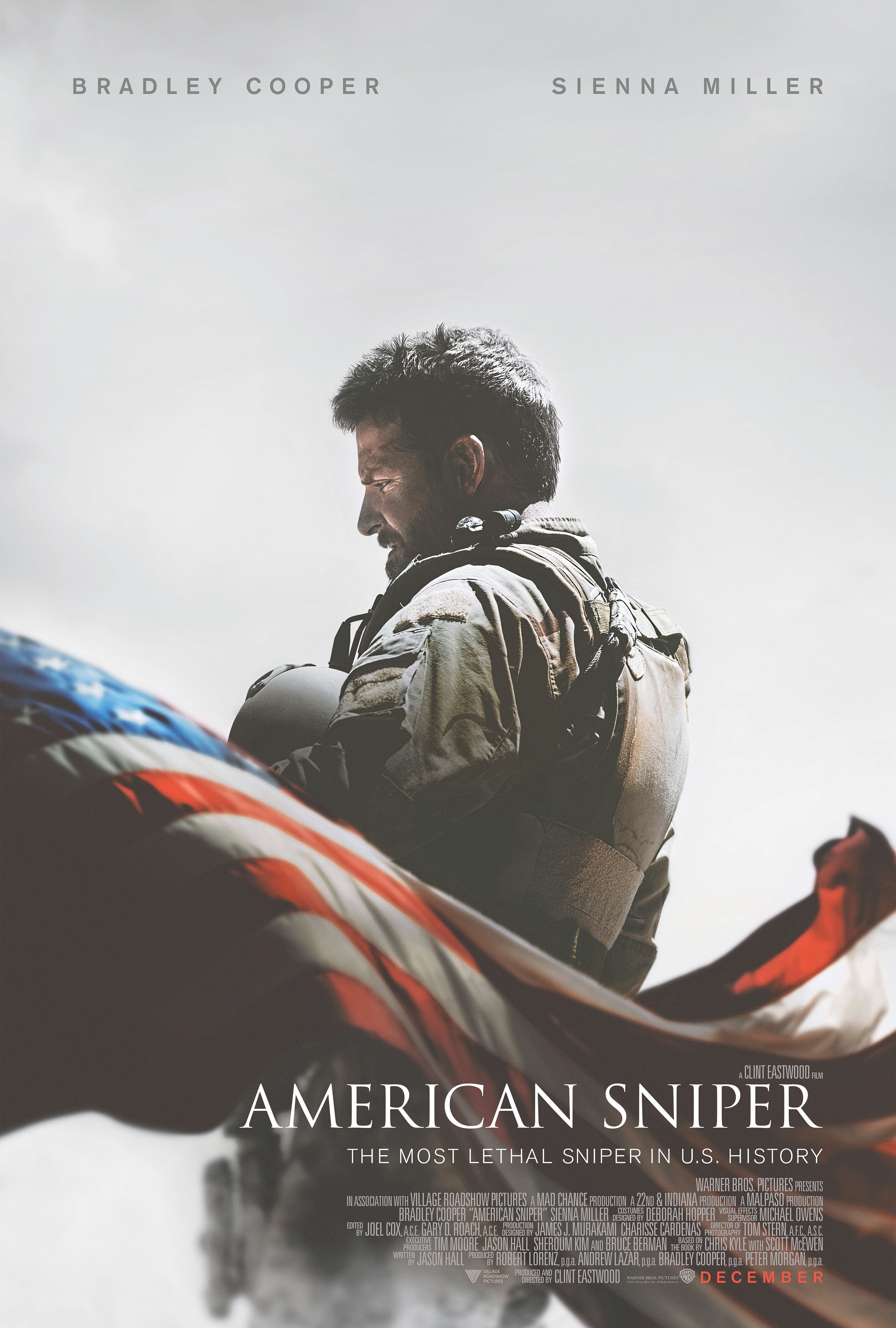
EE: To be fair, CC, I just graduated college and have had some moderately important things going on. Also, my last review of the 'Murican classic American Sniper was a bit draining. It was way too much 'Murica for one review — I needed a break. But now that we're back in action, I'm glad it's time for another joint review. Not only that, but I'm glad we're reviewing perhaps the best television series I've ever seen. With that, let's talk about The Wire. 


CC: Indeed. HBO's The Wire is a show that attracted a small but dedicated fanbase in addition to universal critical acclaim during its initial run. However, ask the average person if they've seen the show and you are likely to receive a blank stare. It's been recommended to me several times, though I just got around to watching it. I'm sure glad I did.


EE: The Wire has always been on my radar, but it wasn't until my English professor opted to teach it in my final year of college that I actually sat down to watch it. It also wasn't until Amazon coughed up the money to obtain HBO content for Prime members that I even had access to it. My class only discussed the first season, but I couldn't stop there. Fast forward a couple months and I finished the entire series. 


The setting of The Wire - Baltimore, Maryland
THE PLOT

CC: On its surface, The Wire begins as a crime drama. It focuses on the criminal drug trade in Baltimore. However, by the end of the final season, the show feels more like an epic literary saga chronicling the decline of a great American city. Each season highlights a specific aspect of Baltimore — the drug trade, the ports/labor unions, the political system, the public school system, and the media, respectively. In theory, this concept sounds like each season would be independent of each other; however, common characters, plot lines, and events intertwine to form one continuous story. 


EE: This structure is one of many aspects of The Wire that make it especially unique. It's not often that you get to watch so many different characters develop over five seasons of a show, and if you do, it's almost certainly not in the way creator David Simon and his crew opted to do it.We watch police officers climb the chain of command — or in some cases get exiled to the muddy waters of the Baltimore harbors. We watch drug dealers put in the dirty work and conquer the corners. We watch politicians scheme and backstab their way into office. We watch teachers struggle with educating the kids of West Baltimore. We watch journalists at a major newspaper fabricate and get rewarded for it. All of these could be shows in of themselves, but Simon and company manage to successfully and concisely combine them into five riveting seasons. 


Baltimore Police Commanders Daniels (Lance Reddick) and Rawls (John Doman)
CC: By the end of the show, I felt like I knew Baltimore intimately, despite never setting foot there. It's truly impressive how expansive the show feels, despite it all taking place in one city. The entire show was shot on-location in and around Baltimore, and this authenticity really shows. 

THE WRITING


EE: Like most great films and TV shows, success starts on paper. Simon and producer Ed Burns had extensive experience in Baltimore, working as a Baltimore Sun crime reporter and a homicide detective respectively, and there couldn't have been two better writers for the job. Simon didn't get to infuse his newsroom atmosphere until season five, but the Baltimore Police Department was lively and authentic from the beginning. It certainly helped that there were real cops on the set and on camera, but when a British actor like Dominic West can come off as a cocky and stingy BPD cop, some credit has to be given to the writing. I always say that any good actor can work with an average script, but to reach total greatness, the writing has to be great — it doesn't matter if the actor is or not. We'll touch on the acting below, but it wouldn't be possible without their reading material. The writing on The Wire is what ultimately makes the show.


Detective Jimmy McNulty (Dominic West)
CC: Agreed. Interestingly enough, the writing might be too authentic for its own good! One common complaint about The Wire is that the dialogue can be difficult to understand due to the "Balmer" accents and street talk prevalent throughout the series. For me, though, these added another layer of authenticity to the show. The actors looked and felt natural while speaking their lines. In fact, I hesitate to even use that phrase. The dialogue felt less like actors reading lines and more like natural conversation and improvisation.

EE: You hit in on the head, CC. It felt like someone just set up a camera on the drug corners of west Baltimore and let it roll. For me, the verbiage and accents of the crime landscape was enticing and enjoyable. A lot of characters in the show grew up in Baltimore (or other crime ridden areas) and that's the kind of actor you want for the job. To them, the script that Simon and Burns put together was just colloquial talk, so there was little learning involved. 


Felicia Pearson as hitwoman Snoop
THE ACTING


CC: Although outstanding writing serves as the foundation of The Wire, the show also features masterful acting across the board. The sheer scale and diversity of the ensemble is incredible to behold, and there really isn't a poor performance in the bunch. The show features a swath of lesser known character actors as well as non-actors plucked straight from the streets of Baltimore. Whereas in most TV shows or movies, one or two performances will stand out, in The Wire, there isn't really a single performance that overshadows the rest. Yes, a few are brought up frequently (such as Michael K. Williams' portrayal of drug dealer-robbing Omar Little), but it's just staggering to me how nuanced and convincing the performances were from pretty much the entire cast.


Omar (Michael K. Williams) and Detective Bunk Moreland (Wendell Pierce)
EE: Some of it surely has to do with the resources of HBO, but The Wire is the first show I've seen where every single actor is immensely talented. Everyone from the bottom up had a firm grip on their respective roles and it kept up from the pilot to the series finale. My favorite actor of the series was Idris Elba, another British actor who dove into the world of urban Baltimore and played a dominant drug boss. It's hard to imagine an American actor from Baltimore doing the job that Elba did as Stringer Bell, let alone someone from and utterly different culture in the UK. CC, you were right in saying that no performance on the show really overshadowed another, but I think Elba's was symbolic of just how dedicated and thorough the acting was. Couple this with the writing, and you have one dynamite show. 


Idris Elba as crimelord Stringer Bell
FINAL THOUGHTS

EE: If you're interested in the Baltimore drug landscape, watch The Wire. If you want nothing to do with the Baltimore drug landscape, watch The Wire. Frankly, it's pure entertainment. Granted, the appeal of a Baltimore crime saga might not be widespread, but anyone that appreciates quality film-making or TV production can appreciate the show. Maybe you're an aspiring journalist like me who will really connect with season five, or maybe you're a future politician that can learn from the fiery mayoral race within the city. Maybe you're fascinated by police work or maybe you want an inside look of an inner-city school system. Whatever your interest, there's really something for almost everyone on The Wire. If nothing else, you can have a standard for every other TV show you watch in the future. From now on, I'll be subconsciously comparing everything I watch to the brilliance that is The Wire.


CC: While I wholeheartedly agree that The Wire is one of the best (perhaps the best) TV shows I've ever seen, I don't think it will appeal to everyone. It is frequently gritty, violent, and depressing. Happy-ending style resolutions are practically non-existent. In many ways, the Baltimore we see at the closing of season five didn't change a bit from the Baltimore we see at the opening of season one. Each season also starts off pretty slowly, gradually building steam as the story progresses. For viewers looking for an exciting show that they can jump into and enjoy right away, they may not love The Wire at first. I didn't really start getting into it until about mid-way through season one. But for people willing to stick around in the beginning, The Wire pays off in a spectacular fashion. So EE, do you have a favorite season? They are all impressive in different ways.


Sergeants Herc (Domenick Lombardozzi) and Carver (Seth Gilliam)
EE: Tough question. The first season is a classic. The second brings a totally new dynamic. Four is eye-opening and five scopes in on many different prevalent issues. As a recent journalism grad, it's hard not to pick five, but I think it's a close second behind season three for me. Without giving much away, a prominent drug lord, Avon Barksdale, is back on the streets, but his partner in crime, Stringer Bell, didn't skip a beat and has grown the empire while Barksdale was away in prison. The power struggle and desire to leave a troubled city and childhood behind for Elba's Bell was just totally compelling. The Wire didn't by any means peak during this season, but for me, season three was the most thought provoking and ultimately my favorite. How about you, CC?

CC: This is a tough decision. From a narrative standpoint, season one is probably the most self-contained, and is paced perfectly. It also featured perhaps my single favorite scene in the whole show. Seasons three, four and five are all outstanding in different ways, but overall my favorite is season two. This is when the show really started to branch out and take some risks in introducing a whole new story arc and set of characters. Also, from an emotional standpoint, the ending of season two hit me the hardest. But picking a favorite season of The Wire is like picking a favorite child. It's a nigh-impossible task.


To sum up my thoughts: The Wire is a masterful work of art that transcends pure television. It is truly one of the greatest stories ever told in any medium. It definitely set a high bar in terms of writing, acting, and overall execution.


EE: Agreed. The Wire stands alone as far as crime series go, and should be in any conversation regarding the best TV shows of all time. It's authenticity, quality, and boldness will be tough to match in the future. From my view, it's just about as perfect as a show can be.


-CC & EE

Tuesday, January 27, 2015

AMERICAN SNIPER

AMERICAN SNIPER
2015 - 132 minutes - Action/Biography/Drama
Director: Clint Eastwood
Country: United States
IMDB: 7.6
Metacritic: 72
RT: 72%

EpicEnthusiast's Rating: C


Watch this movie if you enjoy: 
  • Bradley Cooper
  • war films
  • #Murica

Avoid this movie if you dislike:
  • excessive drama
  • cliched war sequences
  • violence
  • Clint Eastwood films

American Sniper was bound to be great. 

Legendary film icon Clint Eastwood in the director's chair. Four-time Oscar nominee Bradley Cooper in the lead role. Six Oscar nominations, including Best Picture and Best Actor in a leading role. 

But perhaps because of these reasons, expectations we're far too high. 

Cooper plays Chris Kyle, who with 160 confirmed kills out of 255 probable kills, is the most lethal sniper in U.S. Military history. Kyle was an aspiring cowboy in his native Texas when the 9/11 attacks in 2001 inspired him to join the Navy Seals. The film gives us a brief look into his upbringing and takes us through his four tours of service in Iraq before coming full circle to his tragic death in early 2013. 


Bradley Cooper as Chris Kyle
One thing that is clear throughout American Sniper is that Eastwood trusts Cooper to tell the story he wants to tell. He dominates the screen as Kyle and carries scene after scene with a certain rugged confidence. The result is both a thoroughly impressive performance from Cooper and extremely limited characterization around him. As if Eastwood was dying for us to know Chris Kyle, but not anyone else in his life. 

Throughout the film he switches back between the unstable personal life of Kyle in the U.S. and the chaotic streets of Iraq, and for every taut and riveting gunfight, there's an empty and lackluster sequence back home. Imperfect editing creates a roller coaster of emotion and quality, moving up in Iraq and down in the U.S. Eastwood's focus on Cooper is tight throughout, but is oftentimes too tight, as it closes out the other characters in the film. In a way, Cooper plays the only character in American Sniper. 

Granted, it's a pretty good one. 

Cooper consumed about 8,000 calories a day and spent many hours with a vocal coach to prepare for playing a hard-nosed Navy Seal, and it paid off big time. He put on more than 40 pounds, captured the essential Texan accent and used lessons from a real sniper to come forth as an ideal Chris Kyle. If there's a finger of criticism to be pointed at American Sniper, it shouldn't be towards Cooper. He works with an average script and puts together a resume-boosting lead that'll go down aa one of his best. 


This one's for 'Murica
But ultimately, there is a finger of criticism to be pointed at American Sniper — or more specifically, at its director. 

Some of the film's excessively dramatic content comes at the fault of screenwriter Jason Hall, who infuses overly sensational lines of dialogue in scenes that don't call for them, but most comes from Eastwood's director's chair. Throughout the film, he successfully builds up edge of your seat-type tension, only to climax with eye-rolling, cliched outcomes that are even more frustrating than they are unnecessary. 

One of these moments comes after Kyle and and his team are escaping a massive firefight during a sandstorm. After fleeing a rooftop where he was pinned down, Kyle is shot and falls to the ground. Meanwhile his team is rushing into the back of a Humvee when one asks where he is. What ensues is your prototypical running to safety while shot and reaching your hand out just far enough for someone to grab it and bring you up-type shot, which simply has no business being in a heroic biopic. 


He did look good, though
Even more glaring than this is the maneuver that blew Kyle's cover. As he lines up an "impossible" shot that is over a mile long and would take out the marine-killing enemy sniper Mustafa, you sense something over the top is coming. Sure enough, Eastwood delivers. An elongated and insulting slow-motion bullet makes its way over to one of the film's top targets, and sucks all the satisfaction of the kill along with it. The film's signature moment becomes almost laughable. Eastwood should know better. 

Even a brief sequence where Kyle is exclaiming his duty to America to his wife in bed should be proud and patriotic, but is instead sappy and theatrical because of its setup. Eastwood beats you over the head with heroism and bravery that speak for themselves. They're entirely evident in Eastwood's footage, but supremely overstated by the end. 

These are the moments that Cooper's performance couldn't save. These are the moments that put the film's high production value in the shadows. These are the moments that killed American Sniper. 

Like many of our country's heroes, Chris Kyle deserved a movie — he just deserved a better one. 

-EE

As of January 27, 2015, American Sniper is in theaters everywhere. Here's the similarly exceedingly dramatic trailer:


Wednesday, January 7, 2015

END OF AN ERA - LEGEND OF KORRA: BOOK 4

LEGEND OF KORRA: BOOK 4

2014 - 13 episodes - Adventure/Fantasy
Creator(s): Michael Dante DiMartino & Bryan Konietzko
IMDB: 8.7
Metacritic: n/a
RT: n/a

CinemaChagrin's Ratings:

Book 1: A-
Book 2: C+
Book 3: B+
Book 4: B-

Normally I include a section at the top of each review encouraging or discouraging readers to watch the film or show reviewed based on their interests/likes. I don't see a need to do so with this review. Those of you reading this have probably either watched LoK: Book 4 already or will never do so. After all, it is the last installment of what is essentially a seven-season series. Now, onto the review. 


I, too, am upset that this series is coming to an end.
After many years of prodding, I caved and finally watched Nickolodeon's Avatar: The Last Airbender last spring. Although it was ostensibly crafted as a children's show, I enjoyed it immensely and consider it one of the finest TV shows I've ever seen. A few months later, I delved into The Legend of Korra, the highly anticipated follow-up series to ATLA. Created with an older demographic in mind, LoK doesn't reach quite the same level of excellence as ATLA, but is highly enjoyable in its own right. Though the first three books had their ups and downs in quality, I binge-watched them all and had a great time doing so. 

***WARNING - MASSIVE SPOILERS BELOW***

The Plot

Book 4 picks up 3 years after the conclusion of Book 3, with Korra having mostly recovered from the wheelchair-bound state she ended up in at the end of the previous season. The first few episodes highlight the changing world and follow Korra as she travels the world incognito, suffering from PTSD as a result of her near-death experience at the hands of the Red Lotus in Book 3. Eventually she is reunited with her friends and confronts a new villain - the beautiful yet stone-cold Kuvira, a metalbender hailed as "The Great Uniter" who sets out to build an empire and conquer Republic City. As expected, our heroes defeat Kuvira, save the world, discover love, all that jazz.


Kuvira, the primary antagonist of Book 4. 
The Good

The Action: The breathtakingly exciting action sequences that are a hallmark of the ATLA/LoK universe are once again...well, breathtaking. The organic nature of bending makes for riveting fight scenes, and several in Book 4 are among the best the entire series has to offer. Unfortunately, there are fewer battles overall in Book 4 than in previous installments, but the ones present are for the most part very well done. Metalbending in particular is highlighted once again, as Kuvira proves a skilled fighter and the Beifong family once again plays a pivotal role in the story. Watch one of my favorite excerpts below:


The Voice-Acting: With a few exceptions, the voice acting in ATLA and LoK has been solid, and Book 4 continues that trend. Korra (Janet Varney) and Bolin (P.J. Byrne) again standout, but there really aren't many bad apples in the bunch.

The World: Geopolitics in the ATLA universe are just so darn cool. I really enjoyed the concept of a powerful dictator arising from the ashes of the fallen Earth kingdom, uniting its people, and then going on the offensive. 

The Music: Once again one of my favorite aspects of the series. A fantastic mix of epic, contemplative, and ethereal themes.

The Characters: All the LoK characters you know and love (or hate) are back in Book 4 (though there is one extremely obnoxious addition). I loved the fact that the ever-hilarious Varrick got more screen-time, and it was great to see how everyone had matured over the 3 years between Books 3 & 4. I also felt they reintroduced an old ATLA character (Toph) effectively - she served a purpose, unlike the presence of other old favorites in previous books, including Zuko and Katara.

Also good - the new Airbender wingsuits. Stylish yet utilitarian.
The Bad

The Writing: Noticeably of lower quality than previous seasons. Many lines felt forced, out of place, or out of character. The extremely large cast certainly makes it difficult to allow most of the secondary characters to say anything of substance during only 13 short episodes. However, the writing and dialogue just generally felt rushed and very much plot-driven.

The Pacing: Also quite rushed. This has been a consistent problem with LoK since its inception, primarily because of the shorter season lengths (12-13 episodes, as opposed to 20 in the original series) and lack of overarching story. Book 4 comes across as even more frantic, with characters having to make obvious statements about lessons learned instead of developing in a more organic fashion.

The CGI: It's been bad since ATLA, and it only gets worse in Book 4 primarily because there is so much of it. I understand this show doesn't have the budget of a feature film, but I've always wondered why the animators felt the need to animate so many things in CGI.


Also, the fanservice. Never really bought into the Varrick - Zhu Li ship. 
The Interesting

I'll be the first to admit I did not see the ending coming. I had never heard of (let alone boarded) the H.M.S. Korrasami during my initial viewing of the finale. The first time I watched the final scene, the apparent romantic connotation between Korra and Asami went waaaay over my head. I had always viewed their friendship as strictly platonic. The creators apparently meant it to be much more than that. I have no problem with their intentions though, and thought it was very tastefully done, albeit a little forced (like many of the romances in the ATLA universe). Regardless, it's nice to once again see LoK pushing the envelope of youth programming on mainstream TV, this time with an LGBT couple.


The now-famous final shot
Though I would rate Book 4 third out of LoK's four seasons, it was still an enjoyable ride, and one that tied everything together quite nicely. I am sad to see the curtain close on the ATLA universe, and can't wait for whatever DiMartino and Konietzko have in store for us next.

- CC

Check out the Book 4 trailer:


Sunday, November 30, 2014

Better Than The Book? THE HUNGER GAMES - MOCKINGJAY: PART 1

THE HUNGER GAMES - MOCKINGJAY: PART 1
2014 - 123 minutes - Science Fiction/Action
Director: Francis Lawrence
Country: United States
IMDB: 7.2
Metacritic: 64
RT: 66%

CinemaChagrin's Rating:  C

Watch this movie if you enjoy:
  • The book
  • Any of the big names in the film
  • Fantastic direction/visual effects/props/sets

Avoid this movie if you dislike:
  • Movies lacking conclusions
  • Obvious cashgrabs
  • Silly "action-movie" moments
  • Shoddy writing
  • Bizarre casting choices

Welp, here's another multi-part finale to a book adaptation series that feels altogether unnecessary from a storytelling standpoint but completely understandable from a business standpoint. I can't entirely blame the execs at LionsGate for splitting this movie into two parts - after all, I would do it too if it made me more money! Plus, moviegoers seem not to mind too much, as they show up for these films in droves. And while one could make the argument that the final installment of the Harry Potter series warranted two films due to the length of the book, one cannot make a similar argument for Mockingjay. It's not a very lengthy book by any means. At least they didn't try to make 3 movies out of it, a la The Hobbit. 

Don't worry, I'm confused too, Katniss.
Despite my peeves about splitting the final book into two movies, I (and many others) anticipated this movie because of the opportunity for it to outshine its written counterpart. Though the Hunger Games series is by no means fine literature, the first two books were entertaining fluff if also highly derivative and unoriginal. However, the third book was an absolute trainwreck - dull, uninteresting, and sloppily written. This presented an excellent opportunity for the screenwriters to trim unnecessary fat and present a taut, exciting closing film in the trilogy. For example, the writers of Game of Thrones are very good at cutting the unnecessary crap from Martin's book series and streamlining the plot of the show. Sadly, by splitting Mockingjay into two parts, any opportunity to improve upon the book pretty much went out the window. Plus, the naturally-resulting cliffhanger ending definitely does not leave the audience with a good taste in their collective mouths, given that they have to wait another year for the next installment.

Despite this, I actually liked the movie, and wouldn't mind re-watching it. That's saying something, as I don't ever plan on re-reading the book. However, just because I enjoyed the film to a certain extent doesn't excuse it from its glaring faults, of which there are many. I could spend entirely too much time dissecting each and every issue with the film, but I'll save us all a lot of time and identify the primary source of Mockingjay: Part 1's weaknesses (aside from the decision to split the book into two movies): the script.

Gale (Liam Hemsworth) & Katniss (Jennifer Lawrence) save the day
An outstanding script made Catching Fire not only an exciting blockbuster, but a great film in overall. Sharp writing allows quality directors and actors to excel at what they do. Unfortunately, a lackluster screenplay can and does limit the directors and actors forced to work with it. Such is the case with MJ: P1. Whereas Catching Fire balanced wit with gravity and excitement with sorrow, the script of MJ: P1 comes across as a bland offering riddled with cliches and silly lines. None of the actors are allowed to shine because the script doesn't really give them anything to work with. Character development has never been this series' strongpoint; however,  all of the returning characters in this film are reduced to either shadows or caricatures of their former selves. New faces are mostly uninteresting. It's really a shame to see so much talent wasted. Granted, the substandard source material doesn't help, but I wish the writers could have inserted a bit more pep into the screenplay.

The film's pacing is also off. It's admittedly a little slow for a big-budget blockbuster (again, the two-movies issue), and much of the screenplay involves characters reacting with horror to **shocker** the horrors of war. Large sections of the film seem to amble along with nothing much happening. When things really get going near the middle and ending segments of MJ: P1, the film gets quite exciting. Unfortunately the poor script fails to provide any sort of foundation during the more quiet moments. The ending also materializes quite abruptly.

Finally, although casting has been a strength of the series until this point, Julianne Moore is horribly miscast as the autocratic president of District 13. She delivers her admittedly terrible lines in a wooden and unconvincing fashion. I'm not sure who decided it would be a good idea to have her in this movie. Additionally, Natalie Dormer (known from playing Princess Maergery Tyrell in Game of Thrones) seems quite out of place too. Though her character is pretty much a cardboard cutout, she doesn't really strike me as the type of actress who would thrive in a science fiction setting. 

I love Natalie Dormer as much as the next guy, but she felt out of place
You might be asking by this point, "didn't he say he enjoyed the film?" Well yes, I did to a certain extent. First of all, Francis Lawrence once again proves a competent director. Given the material he had to work with, he did a fine job. MJ: P1 looks beautiful. Action scenes are superbly shot (though the content is typically pretty silly). Lawrence really has a great way of framing shots to help the viewer focus on the most important subject onscreen without ignoring the rest of what's going on. MJ: P1 also had some really great editing. The tribute extraction scene in particular was very well-shot and quite tense. From the scenes featuring Panem subjects revolting accompanied by Katniss' haunting singing, to the aforementioned raid scene, the film's editing stands out consistently.

Good news: Peeta bread is still one suave mofo
Bottom line - those of you who are fans of the book or were already planning on going to see the movie, by all means check it out and forge your own opinion. Unlike Catching Fire, though, I can't recommend this film to someone sitting on the fence or who doesn't already have an active interest in seeing it. It's entertaining but ultimately unsatisfying for the most part. Was it bad? No. Was it good? Not really. I'd say it's average. Hence my "C" rating.

-CC

Check out the trailer:

Monday, November 24, 2014

2015 Oscars Preview

2015 can't possibly be as strong as last year, but it's getting there

2013 was an absolutely stacked year for movies. 

You had Alfonso Cuaron's groundbreaking space thriller Gravity that dominated the Academy Awards and took home seven Oscars. You had the best picture-winning 12 Years a Slave that masterfully depicted slavery in a way we had never imagined. 

There was Matthew McConaughey's breakthrough in Dallas Buyer's Club and there was Spike Jonze's captivating modern love tale in Her. There was Captain Phillips and Before Midnight. There was American Hustle, Nebraska, and The Wolf of Wall Street, who were nominated for a combined 21 Oscars and didn't win a single one. 

What gives, huh?
A Martin Scorsese film didn't win an Oscar of any kind. That's when you know. 

Naturally, 2014 wasn't going to compete. It couldn't have. And it hasn't. But now the year is dwindling down and a few strong Oscar contenders are emerging. 

The year started slowly, with George Clooney's The Monuments Men leading the way as a promising Oscar contender that disappointed big time. 

In March, Darren Aronofsky debuted his modern take on the classic tale of Noah that sparked some controversy to say the least. The critics were more forgiving though, and Noah might grab a couple nominations, especially in visual categories. Aronofsky certainly didn't follow the biblical guidelines of the story in full, but he created one hell of an aesthetic experience. Oh, and Emma Watson. Because Emma Watson.

If any film from the early part of the year is going to make an appearance at the Academy Awards, it'll be The Lego Movie, but that can only win so much. It grossed over $250,000,000 and made even more from promotional products, but even last year's smash hit Frozen only won a couple Oscars, and one was for a song. It seems unlikely that "Everything is Awesome" will win one for The Lego Movie, but it could very well win Best Animated Film of the Year. 

In the summer came The Fault in Our Stars, and even though director Josh Boone did John Green justice with his heartfelt adaptation, it probably won't win much. The most likely nomination might be the Green-infused screenplay. Shailene Woodley deserves a best actress nomination, but it can't be expected. 


It wasn't until July and Richard Linklater's Boyhood that a definite Oscar contender emerged. The 12-year epic will surely garner interest from the Academy, especially because it's not Linklater's first rodeo. His script should earn him a second straight nomination, this time for Best Original Screenplay. It's also quite possible that he'll earn a nomination for best director, seeing as most don't work over a 12 year span. And don't be surprised if the "Boy" in Boyhood Ellar Coltrane earns a Best Leading Actor nomination. He was quite literally growing up twice during filming. Not to mention Best Picture. Look for Boyhood to make some serious noise. 

Fast forward a few months to October and David Fincher comes calling. His latest entry to the dark crime genre Gone Girl will earn him some nominations, especially on the production side of things. Ben Affleck probably won't win his first Oscar as an actor, but he should earn a nomination for his role. The real question is: Will this finally be the year Fincher wins Best Director? Richard Linklater and Christopher Nolan might have something to say about it, but 2014 seems likes a decent year to do it. 

A nomination for Affleck is debatable, but there's not even a question about Jake Gyllenhaal in Nightcrawler. His role might have been the best of his career, which is saying a lot. Don't be surprised if he wins. Dan Gilroy's dark satire of the modern media might earn a few more nominations in categories like Sound Mixing or Sound Editing, but it won't light up the show too much. 

And then there's Interstellar. Will it be this year's Gravity? Probably not, but let's just say Nolan picked a good year to debut his daring space adventure. Best Director, Best Visual Effects, Best Sound Mixing, Best Sound Editing and Best cinematography all seem like definite nominations, and it doesn't stop there. Matthew McConaughey could see his second straight Best Leading Actor nomination and Hans Zimmer seems like the current favorite for Best Score. 


While Interstellar probably won't win seven Oscars like Gravity did, it should definitely be nominated for at least that many. At this point, Nolan's epic seems like the overall frontrunner. 

The year is far from over, though, and there are a few titles set to be released soon that might join the conversation. Jennifer Lawrence is back in the latest The Hunger Games project, and Peter Jackson's The Hobbit trilogy is set to close in December. You also can't overlook Ridley Scott and Christian Bale in the upcoming Exodus: Gods and Kings. 

There have certainly some great films so far in 2014, and as long as you aren't expecting anything like last year, it should make for an entertaining awards season. 

-EE

Sunday, November 9, 2014

"The City Shines Brightest at Night" - NIGHTCRAWLER

NIGHTCRAWLER
2014 - 117 minutes - Crime/Drama/Thriller
Director: Dan Gilroy
Country: United States
IMDB: 8.4
Metacritic: 76
RT: 94%

EpicEnthusiast's Rating: B+


Watch this movie if you enjoy: 

  • crime dramas
  • dark films 
  • Jake Gyllenhaal 

Avoid this movie if you dislike:
  • violent crime
  • dark films 
  • satire 

If you're a fan of Jake Gyllenhaal, you should go see Nightcrawler. If you enjoy crime thrillers, you should go see Nightcrawler. If you like dark films, or films that may be more than originally meets the eye, you should go see Nightcrawler.

And if you you're interested in journalism, you need to go see Nightcrawler.

In his directorial debut, Dan Gilroy gives us a story centered around Louis Bloom, a shady thief living in the underworld of Los Angeles. Bloom resorts to stealing metals and bikes for money until he drives by a nasty car crash on the highway and decides to stop. Along with the police and medical crew, he sees someone filming the fiery wreck. As officers pull an injured women out of the car, Bloom, played by Jake Gyllenhaal, is standing there not horrified, but fascinated. He approaches the camera man with questions immediately, and even asks if he's hiring as he's leaving the scene. 

Jake Gyllenhaal as Louis Bloom 
Just like that, a nightcrawler is born. 

The trailers for Nightcrawler emphasize the more action-packed sequences of Bloom's plunge into Los Angeles crime journalism, and while those bits of the film certainly stand out, Gilroy's film is much more of a character study than it is an action flick. 

In the opening shot, we see Bloom attempting to cut a fence so he can sell it for scrap metal. He's soon approached by a security guard in the dark, who wonders what he's doing. Gilroy then strategically has the guard point a flashlight on Bloom's face to illuminate his gaudy structure and put emphasize on his eerily stoic dialogue. From the get-go, you're led to believe that Gyllenhaal isn't going to be playing one of his charming protagonists. 

In fact, Nightcrawler may not even have a protagonist. But Gyllenhaal dominates the screen like one, and puts forth a performance that will be remembered as one of the best of his career. To prepare for his role as Bloom, he lost 20 pounds and biked or ran to the set each day. It's clear that Gyllenhaal is far more than familiar with his character — he immerses himself in him.

Everything from manically screaming into a bathroom mirror to putting his hair up into a "man bun" before his adrenaline spikes is executed with control and impact, and his embracement of Gilroy's characterization drives Nightcrawler throughout. Gilroy couples a tactical use of the camera to thoroughly uncover surroundings with Gyllenhaal's charisma to bring his lead man to a chilling life.

And while Nightcrawler marks his first time directing his own screenplay, Gilroy's writing experience shows. With the exception of a few forced one-liners, his dialogue is both fitting and provoking and his cast capitalizes on what they had to work with. Notably strong is Rene Russo, who plays a news director at a Los Angeles news station that Bloom sells his footage to.


Similar to his actors, Gilroy takes advantage of the Los Angeles landscape with some stunning cinematography. Sweeping shots of the city are aesthetically pleasing and establish an absorbing atmosphere. Like Nicolas Winding Refn did before him with Drive, Gilroy makes the metropolis a theme of his film and proves that nightcrawling in Los Angeles is unlike nightcrawling anywhere else.

In the end, though, Nightcrawler's strong production value gets pushed aside by a light-hearted, but gripping message. At one point in the film, when another lead character seemingly adopts the philosophy of the deranged Bloom, Gilroy's true reasoning breaches the surface. He isn't just attempting to tell the story of some monster that stumbles upon the world of freelance crime journalism in one of the country's biggest cities — he's speaking to the industry as a whole.

Bloom's character alone sparks questions of ethics and morality, but so does journalism. In world where news is demanded immediately, technology rules, and journalism is one big competition, is it possible that someone like Bloom — who at one point in the movie drags a dead body into better lighting for his camera — could be feeding the public information?

More than anything else, Nightcrawler explores questions like this. It pokes fun at the current state of the media, but also presents a potentially alarming scenario. It manages to be serious, disturbing, comical, dark, and thought-provoking, all at the same time.

Gilroy's film is ultimately bogged down by a few unnecessary scenes, some rigid editing, and a soundtrack that sometimes doesn't have an identity — that makes you wonder what its purpose is — but it's a ride worth taking. If not for its visuals, then for its voice. If not for Gyllenhaal's performance, then for Gilroy's style.

Even more rare than a simultaneously satirical, edgy crime drama is a film that poses a relevant and purposeful question. Nightcrawler is one of those films and its pacy entertainment is just a bonus.

-EE

As of November 9th, 2014 Nightcrawler is in theaters everywhere. Here's the trailer: